
We started as a buying agency. And when we started, we thought that basics were easy.
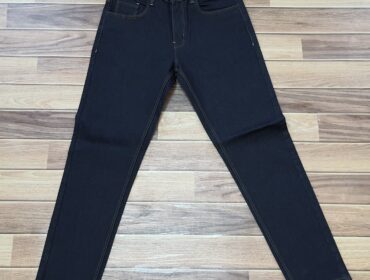
A plain T-shirt, a simple chino, an everyday pair of jeans. No embellishment, no complicated design language. Just something people could wear again and again. For years, basics were treated as an easy production to do. The kind of order where costs could be squeezed and timelines shortened because, surely, nothing could go wrong.
It took running a factory, a few years later, to understand how wrong that assumption was.
Basics are not simple. They are unforgiving.
When there is no design to hide behind, every weakness in a system becomes visible. Fabric behavior shows up immediately. A half centimeter shift in pattern grading becomes obvious on the body. A rushed dyeing decision reveals itself after the first wash. Operator skill, cutting accuracy, process discipline, everything is exposed. Basics don’t tolerate shortcuts.
We’ve seen and experienced brands move entire programs because a basic didn’t behave the same way six months later. The fit felt familiar but not quite right. The color looked acceptable under factory lights but aged poorly in retail. The garment wasn’t bad, it was inconsistent. And inconsistency is where trust quietly erodes.
What most people don’t realize is that everyday garments need to have the highest wearability factor. These are the pieces customers reach for on busy mornings. The clothes worn to work, school runs, travel days and long hours. When a basic fails, it doesn’t just feel uncomfortable, it disrupts routine. That’s why returns in basics hurt brands more than trend pieces ever will.
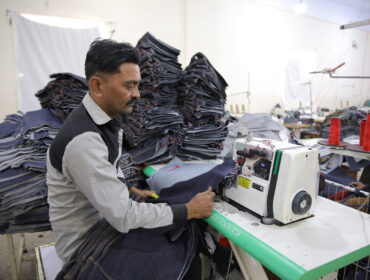
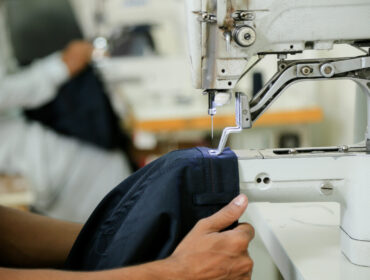
Inside a factory, basics demand a different kind of seriousness. They require stable sourcing. They demand mills that behave the same way season after season. They require operators who understand repetition as precision, not monotony. They force manufacturers to choose processes that may cost slightly more upfront but save enormous waste, rework and frustration downstream.
This is also where sustainability stops being a marketing gimmick and becomes a reality.
A well made basic reduces overproduction because it can be reordered with confidence. It reduces sampling waste because fit doesn’t need to be reinvented every season. It reduces returns because customers trust what they’re buying. In many cases, the most sustainable garment isn’t the one with the biggest certification, it’s the one that doesn’t need to be replaced.
Over the years, we’ve learned that brands who truly understand basics think long term. They don’t chase factories for the lowest price, they look for partners who understand repetition, stability and responsibility. They know that a supplier who asks uncomfortable questions early saves them from expensive problems later.
At Garment Resources, basics taught us patience. They forced us to slow down, to question our own assumptions, to invest in systems instead of shortcuts. They reminded us that good manufacturing isn’t about doing more, it’s mostly about doing the same thing, well, every single time.
When a buyer tells me they’re building a core program, I don’t hear simple. I hear commitment. I hear a brand thinking about longevity and timeless pieces. Because basics, when done right, aren’t loud. They just stay. And in an industry that moves as fast as ours, staying power is everything.