
MOQs. The first term you will hear when you’re launching a clothing brand and interacting with a manufacturer. But what exactly is an MOQ and how does it effect your brand’s design development? MOQ is simply a Minimum Order Quantity and it refers to the smallest number of pieces a factory requires in order to begin production.
For many brands, especially new ones, MOQs can feel like one of the biggest hurdles in apparel manufacturing. It can seem daunting to commit to hundreds or even thousands of pieces before knowing how a product will perform in the market. But the reality is that MOQs exist for practical reasons, and over time the industry has been slowly adapting to become more flexible.
We will also talk about ways to make these MOQs work in your favor and not against you. But first things first.
Why MOQs Exist in Garment Manufacturing
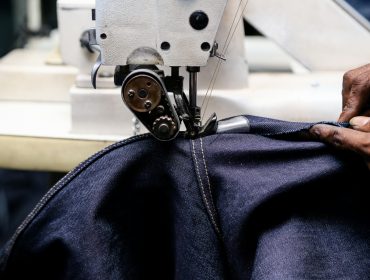
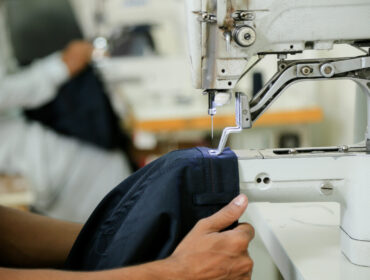
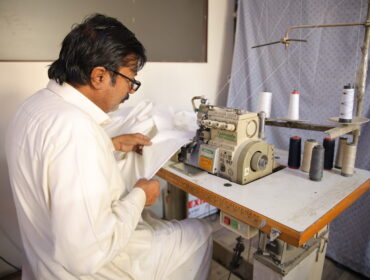
Garment production involves multiple stages before a finished piece reaches the customer. Fabric must be sourced, patterns prepared, fabric spread and cut, garments stitched, finished, inspected and packed. Many of these processes require the same setup regardless of whether the order is for a small batch or a large one.
Fabric sourcing also plays a major role. Mills typically produce fabric in bulk, which means manufacturers often have to meet certain fabric minimums before production can even begin. As a result, clothing manufacturers generally work with relatively high minimum order quantities, especially when garments require custom fabrics or specialized trims.
Why High MOQs Can Be Difficult for New Brands
I have spoken to almost a dozen start-ups and worked with most of them. And so I know that for an emerging fashion brand, committing to large quantities can be risky. A new label may not yet know how a particular design will sell, which sizes will move fastest or how customers will respond to a new product line. Producing too much too early can tie up valuable capital and lead to excess inventory.
This is why many entrepreneurs search for manufacturers offering low MOQ clothing production or small batch garment manufacturing. The ability to start with manageable quantities allows brands to test their collections, learn from the market, and scale gradually as demand grows.
The Shift Toward Low or Flexible MOQs
Interestingly, flexible MOQs are no longer something only startups are looking for. Even established brands are beginning to move away from extremely large production runs.
One of the main reasons is sustainability. The fashion industry has come under increasing scrutiny for the amount of waste it produces. Overproduction often leads to unsold inventory that must be discounted heavily or discarded. Smaller production runs allow brands to produce closer to real demand, reducing waste and improving sustainability.
Market conditions have also become far more volatile. Consumer preferences change quickly, and global markets can shift unexpectedly. Many companies are therefore becoming more cautious about locking themselves into very large orders months in advance. Instead, they prefer smaller, more frequent production runs that allow them to respond to demand more quickly.
Inventory management is another factor driving this change. Rather than holding large quantities of stock in warehouses, brands are increasingly adopting leaner strategies where production happens in smaller cycles and replenishment is based on sales performance.
How Garment Resources Supports Flexible MOQs
At Garment Resources, we have seen this shift firsthand and have structured parts of our production model to support brands looking for more flexibility.
One way we do this is by stocking certain running fabrics in bulk. When commonly used fabrics are already available, brands are not forced to commit to large fabric purchases just to begin development. This allows them to experiment with styles, place smaller initial orders and refine products before scaling production.
Another important factor is experience and relationships. After more than two decades in the garment manufacturing industry, we have developed strong connections with a network of over a dozen fabric mills. These relationships help us source fabrics efficiently and find workable solutions for different production volumes.
For brands, this means greater flexibility when developing garments, particularly when they want to test new styles or introduce products in controlled quantities.
What to Keep in Mind with Smaller MOQs
While smaller MOQs give brands flexibility, there are a few practical considerations to keep in mind. Per piece production costs are often higher for small runs because setup costs are spread over fewer units. Sometimes, manufacturers may ask for an upfront investment in fabric or trims to reserve stock for your collection. Lead times may also differ, as smaller batches might be scheduled around larger orders. In all this, planning carefully is key. Even with lower quantities, thoughtful sizing, design consistency and quality checks remain essential to ensure your product launches smoothly and meets customer expectations.
The Future of Apparel Manufacturing
The traditional model of producing very large quantities far in advance is gradually evolving. Today’s apparel industry is moving toward more responsive production, smarter inventory planning and a stronger focus on sustainability.
Flexible MOQs are becoming an important part of this shift. They allow brands to reduce risk, respond to market changes more quickly and produce garments in quantities that make sense for their business.
For manufacturers as well, this new approach encourages closer collaboration with brands and more thoughtful production planning. In an industry where trends move quickly and consumer expectations continue to change, agility is increasingly becoming just as valuable as scale.
Curious about how GR can help your brand test ideas without overcommitting? Let’s explore flexible MOQs together. Contact us here