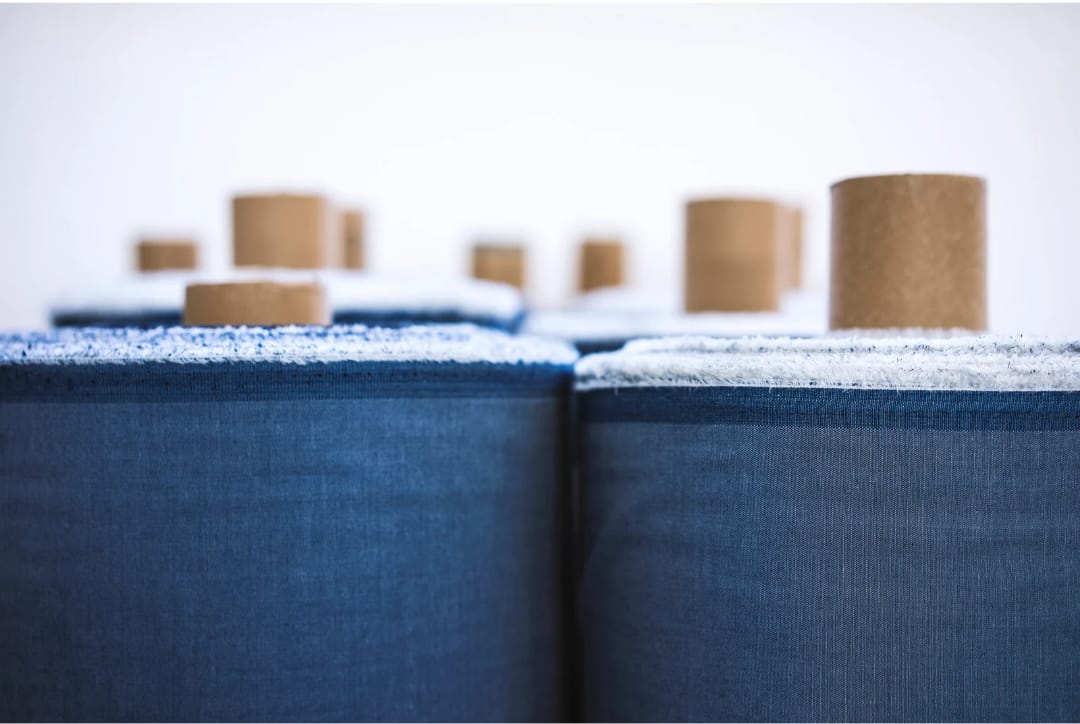
There’s something about denim that makes it more than just a fabric. It’s not silk, it’s not satin, it doesn’t beg for attention. Yet, it lives in every closet, worn with pride by everyone from miners to models, rebels to royalty. Denim isn’t just clothing, it’s history stitched into everyday life.
The story of denim starts in the 17th century, in the town of Nîmes, France, where weavers tried to recreate a durable fabric from Genoa, Italy, known for its strong cotton cloth. The result was serge de Nîmes, eventually shortened to denim. That word would go on to travel continents and decades, transforming style along the way.
But it wasn’t until Levi Strauss partnered with the tailor Jacob Davis in 1873 to create riveted work pants for miners that denim began to carve its identity as a working man’s armor. Denim, hence, proved to be tough, reliable and meant to last.

How is Denim Made: More Than Just Blue
Behind that iconic blue hue lies a complex journey. Denim starts as a 100% cotton yarn, woven in a twill weave with the weft passing under two or more warp threads, giving it that diagonal ribbing we all recognize.
What sets it apart is the indigo dyeing process. Indigo doesn’t penetrate the fiber, it clings to the surface, which is why denim fades the way it does over time by wearing it. It becomes more personal with every crease, every fade line telling a story.
Steps in Making Denim:
1. Spinning: Cotton is carded and spun into yarn.
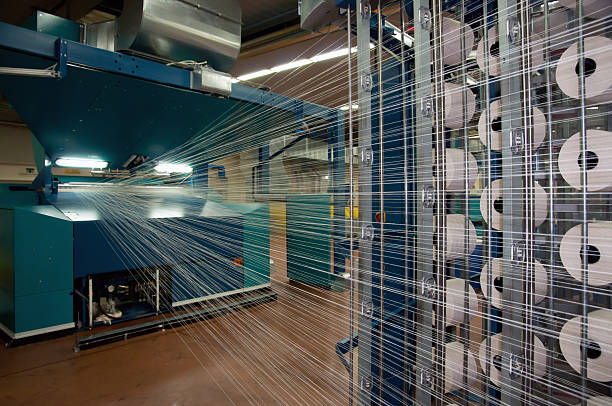
2. Dyeing: Yarn is dipped multiple times in indigo vats to achieve depth of color.

3. Weaving: The dyed warp is woven with undyed weft to create the signature twill.

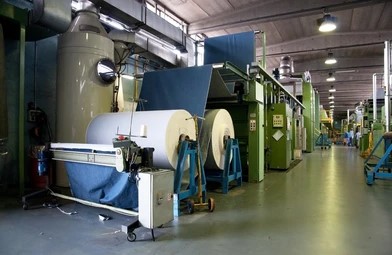
4. Finishing: Fabric is sanforized (pre-shrunk), softened or left raw, depending on its final use.
The Denim Evolution: From Workwear to Runway
From the American Wild West to 90s grunge, denim has always been a reflection of its time. In the 60s and 70s, it became the symbol of rebellion, worn by civil rights activists, rock stars and anti-establishment youth. By the 2000s, denim had become couture. Designers began pushing the boundaries with silhouettes, treatments and washes.
And today? Denim is sustainable, inclusive and constantly reinventing itself.
The beauty of denim is in its versatility. Here are a few types you’ll find in modern collections:
– Raw Denim: Unwashed and untreated, it ages with you, developing fades unique to your body.

– Selvedge Denim: Known for its self-finished edges and durability; often made on vintage shuttle looms.

– Stretch Denim: Blended with elastane for comfort. Perfect for modern fits.

– Washed Denim: Stonewashed, acid washed or enzyme washed. Each finish tells a different visual story.

– Recycled Denim: A growing choice for conscious brands and consumers alike.

At Garment Resources, we’ve worked with all kinds of denim. From rigid raw selvage to super soft Tencel blends. We’ve seen firsthand how the choice of denim affects not just the garment, but the way people feel in it.
Denim and the Planet: Can It Be Sustainable?
Denim’s environmental impact is undeniable. From water consumption in cotton farming to the chemical heavy finishing processes. But things are changing.
The future of denim is not just blue, it’s green.
We now have access to:
– Organic and BCI cotton denim
– Laser and ozone washes reducing the usage of water in the washing stage
– Waterless dyeing techniques
– Recycled cotton and post-consumer denim blends
There are trends, and then there is denim. Season after season, it remains constant. The cuts may change. Wide leg, skinny, bootcut , but the fabric’s relevance doesn’t fade. Because denim isn’t just what you wear, it’s who you are while wearing it. It carries the weight of decades and the soul of the person inside it.
At Garment Resources, we may use modern machines, AI tech packs and 3D sampling. But when it comes to denim, we still believe in touching the fabric, feeling its weight, and understanding its soul.
We honor denim’s legacy by continuing to work with it not just as a material, but as a medium of self-expression, comfort and innovation.